
“An enlightening and lovingly presented tribute to the necessity and wonder of libraries and archives.”
— Publishers Weekly

The remarkable story of an overlooked map archive that reveals how maps have helped inspire some of the greatest scientific discoveries, but also led to terrible atrocities.
“Digging into the dusty archives of an old map library at UCL, James Cheshire unearths stories of explorers and imagined landscapes, WWII intrigue, geopolitics and social change – in this astonishingly fresh and insightful perspective into history and geography. A triumph.”
— Alice Roberts
Hear James speak about The Library of Lost Maps with Jenny Uglow and Jerry Brotton on BBC Radio 4’s Start the Week

At the heart of University College London, nestled in the centre of Bloomsbury, lies a long-forgotten map library packed with thousands of maps and atlases. After Professor James Cheshire stumbled upon it, he spent three years sifting through hundreds of dusty drawers to see what was there. He was stunned to uncover some of the most significant maps and atlases from the last two centuries – many of which had not seen the light of day for decades.
“A magnificent book that sings of the romance and mystery that only old maps possess. Wandering The Library of Lost Maps, I didn’t want to find my way back”
— Edward Brooke-Hitching
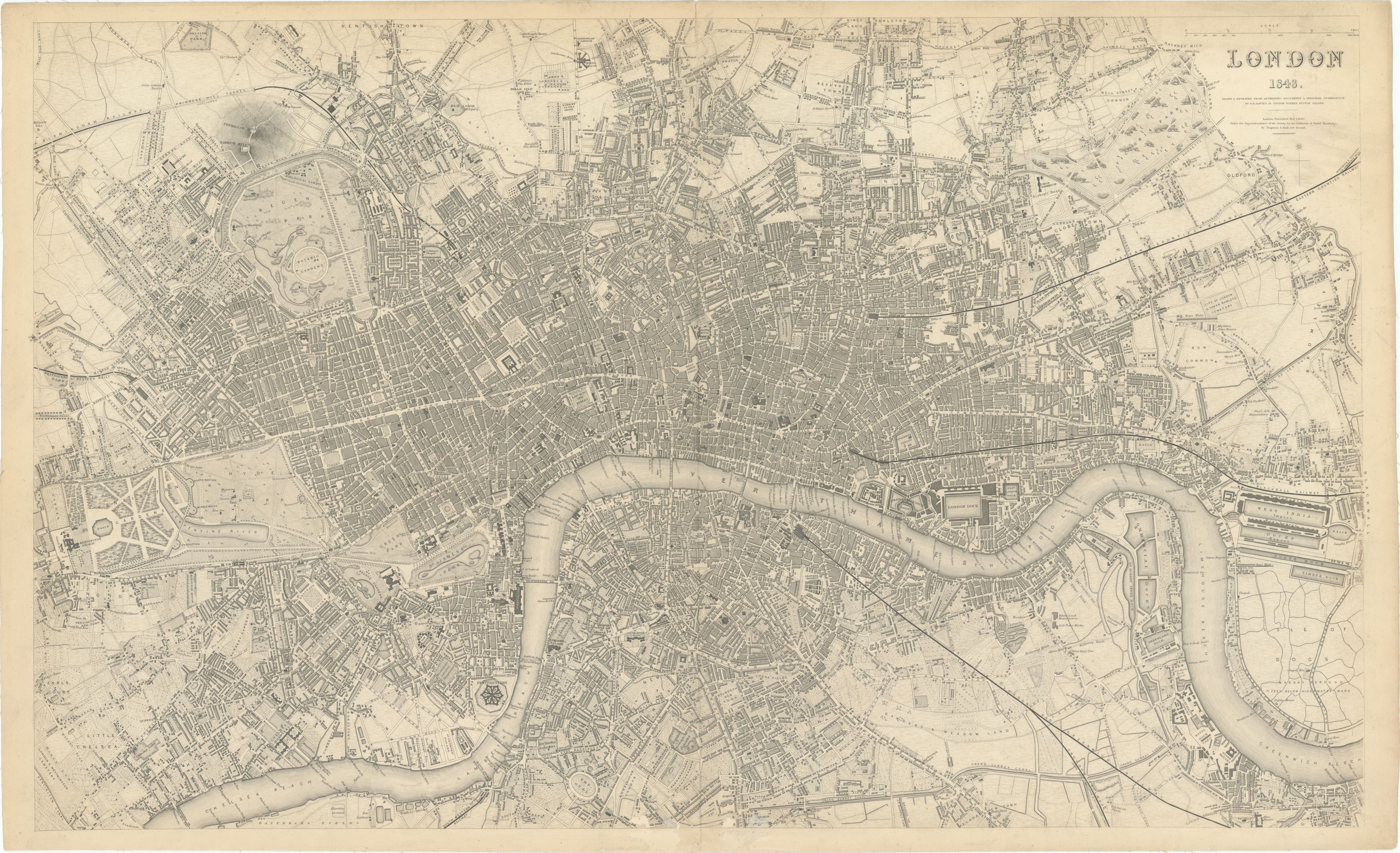
In The Library of Lost Maps we discover atlases for the masses that expanded nineteenth-century horizons and maps that were wielded by those in power to wage war and negotiate peace; charts that trace the icy peaks of the Himalayas and the deepest depths of the ocean; and pioneering maps produced to settle borders in central Europe or the wealth of those in London.
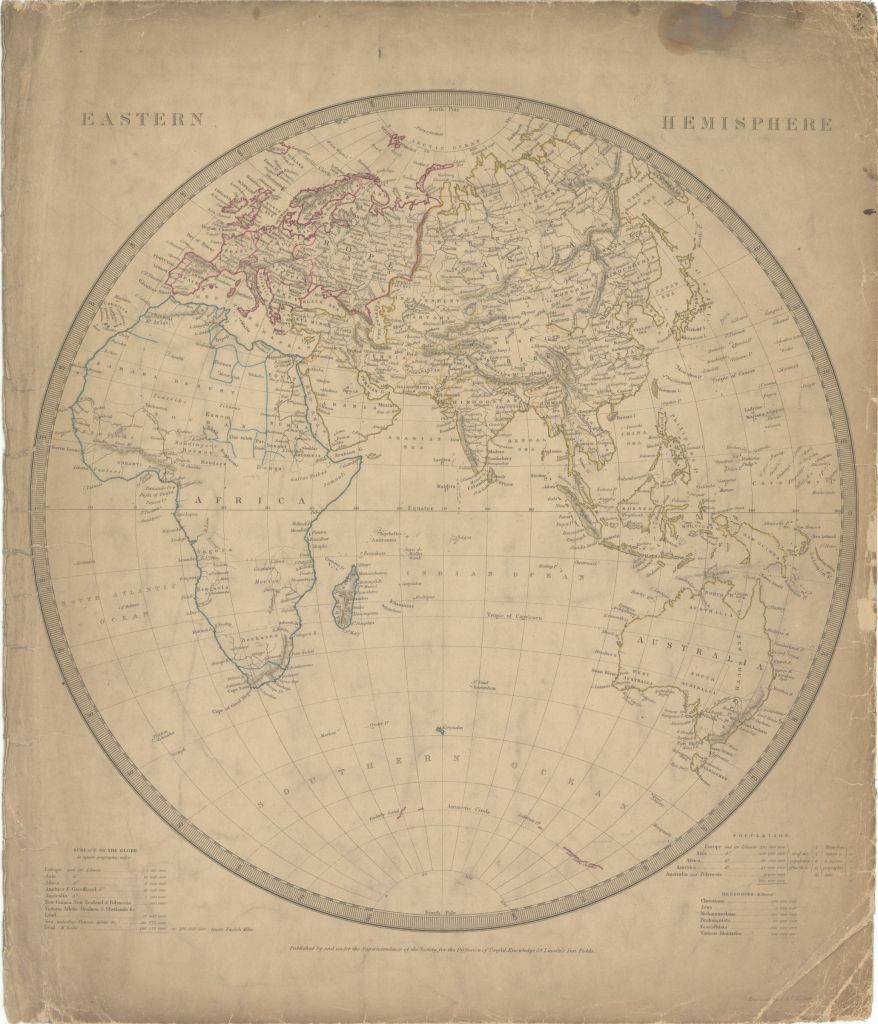

Beautifully illustrated throughout and brimming with astonishing discoveries, The Library of Lost Maps reveals why cartography really matters and how map-making has helped transform our understanding of the world around us.
“[Cheshire] is an infectious guide, tracing how maps evolved from hand-tinted curiosities to instruments of science, propaganda, and power . . . A concise and engrossing study of cartographers’ urge to make the world behave.”
— Kirkus Reviews

Praise for James’ Previous Books
“A cartographer’s dream, and revelatory to the rest of us.”
The Chicago Tribune
Best Gift Books of 2021
“An extraordinarily revealing book.”
Kirkus Reviews
Starred review
“Spectacular & truly Humboldtian.”
Andrea Wulf
Author of The Invention of Nature & Magnificent Rebels